
Understanding the Role of Luck in Gambling
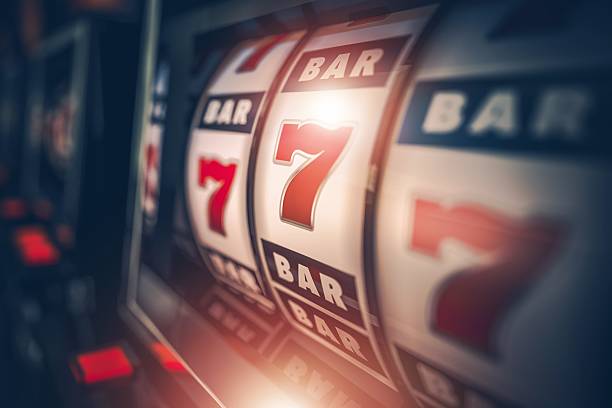
Luck has long been viewed as a critical component in the realm of casino gaming. The notion that outcomes hinge on chance often draws in both seasoned gamblers and casual players who are eager for a thrill. However, while luck certainly plays a role in many games, the extent of its influence can vary significantly by game type. For instance, in games like slots, the results are entirely random, dictated by random number generators, which means the player’s skill or strategy has no bearing on the outcome; some players even prefer to choose platforms that offer a neosurf deposit casino experience for added excitement.
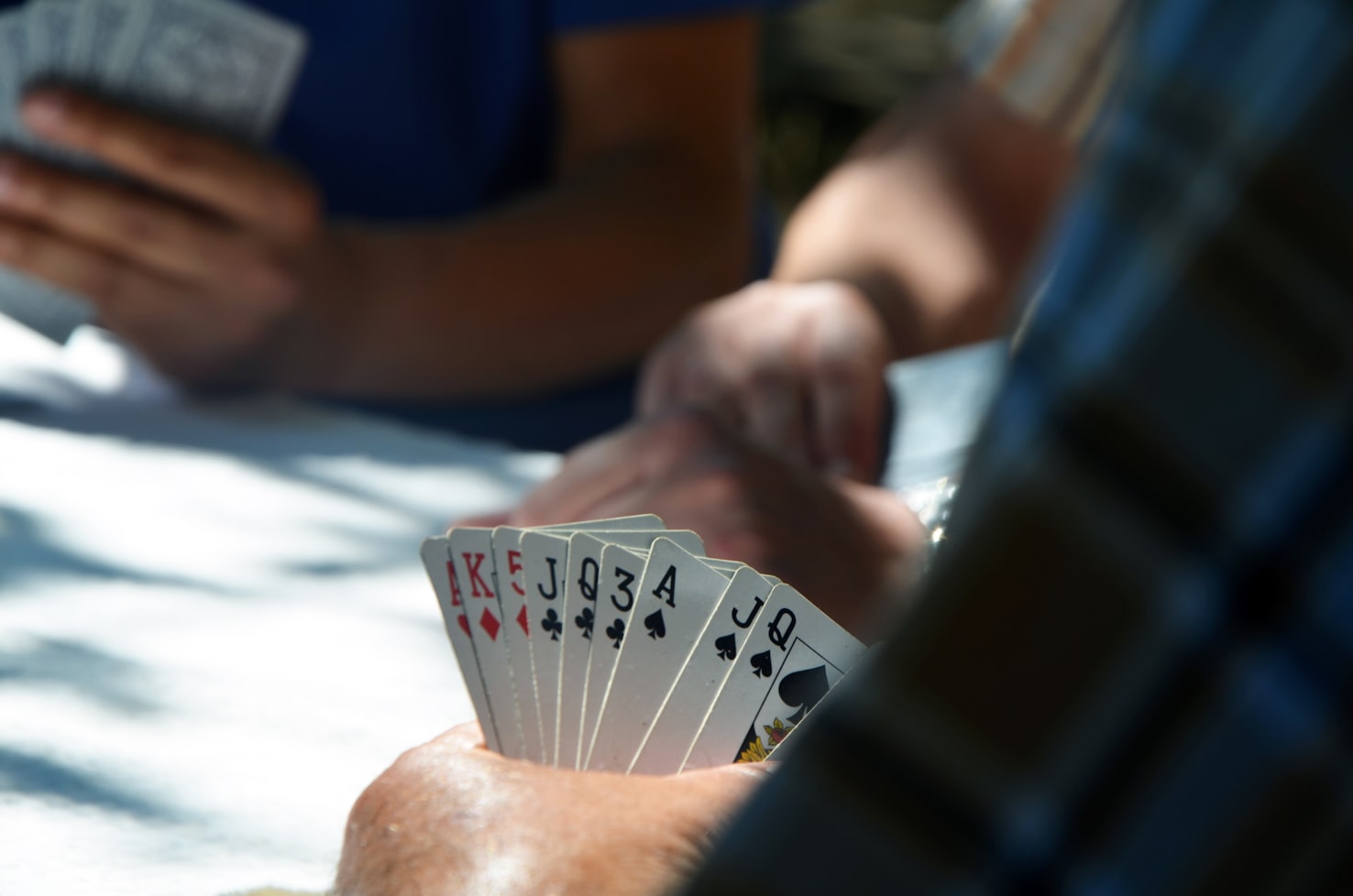
On the other hand, certain table games like poker and blackjack involve skill, strategy, and decision-making. In these instances, players can indeed exploit luck by making informed choices based on the probabilities and potential outcomes of their hands. This interplay between luck and skill leads many to believe that while luck initiates the game, strategy and experience can make a difference in the long run. However, this can be misleading, as even experienced players can lose due to bad luck during a session.
Furthermore, the reliance on luck can foster a culture of misconception within gambling communities. Many novice players may attribute consistent losses to bad luck rather than poor strategy or lack of understanding of the game mechanics. This can perpetuate the myth that gambling is solely a game of chance, overshadowing the importance of knowledge and skill in certain games. Ultimately, while luck is an undeniable factor, it works in tandem with skill and strategy, particularly in games that require more than just the flip of a coin.
The Impact of House Edge and Odds
Every casino game comes with its own set of odds and a built-in advantage for the house, commonly referred to as the house edge. This mathematical advantage ensures that over time, the casino will always profit from the games they offer. Understanding the house edge is crucial for players who wish to make informed decisions about where to place their bets. It’s essential to recognize that while luck can influence short-term outcomes, the house edge dictates the long-term expectancy of a player’s success or failure.
For example, in a game of roulette, the odds vary based on the type of bet placed, but the presence of zero or double zero pockets gives the casino an edge. Players who identify games with a lower house edge, such as blackjack or certain bets in roulette, are more likely to extend their playtime and potentially experience favorable results, provided they also deploy effective strategies. This knowledge showcases how understanding the mechanics of the game can significantly alter a player’s experience.
Moreover, the concept of variance plays an important role in the relationship between luck and gambling. Variance refers to the swings in a player’s bankroll resulting from chance. High variance games can lead to large swings in a short time, even if the player employs the best strategies. This can create further misconceptions, as players may attribute their financial outcomes purely to luck, ignoring the influence of the house edge and variance. Therefore, recognizing these factors can empower players to approach gambling with a more strategic mindset, rather than a pure reliance on luck.
Myths Surrounding Skill vs. Luck
One prevalent myth in the gambling world is that skilled players are consistently more successful than casual players due solely to their expertise. While it is true that skill can improve a player’s chances in games such as poker or blackjack, it is essential to recognize that luck can still impact every hand dealt or every roll made. This myth often leads players to believe they have control over the outcomes, which may result in them taking unnecessary risks in pursuit of winnings.
Conversely, some players errantly assume that because they are skilled, they will always win, leading to unrealistic expectations. This disconnect can create a cycle of disappointment when luck does not favor them, consequently obscuring the fact that even the most skilled players can face losing streaks. It’s crucial for players to maintain a realistic perspective on the balance between skill and luck, understanding that both elements contribute to the gambling experience.
This myth perpetuates the idea that only those who are incredibly lucky are able to win big, which discourages novice gamblers from honing their skills. In reality, understanding game mechanics, probability, and psychological factors can significantly influence outcomes, although luck will always play a part. By debunking these myths, players can approach gambling more effectively, enhancing their overall experience while acknowledging the dual roles of luck and skill.
The Psychological Aspect of Gambling
The psychological component of gambling is a fascinating realm, influencing how players perceive luck and outcomes. Many players fall victim to cognitive biases, such as the gambler’s fallacy, where they believe that past outcomes affect future ones in a game of chance. For instance, if a player has experienced a string of losses, they might assume that a win is “due,” leading to an overestimation of control over their luck. This mindset can skew their decision-making processes and result in increased risk-taking behavior.
This psychological bias can be exacerbated in high-stakes games or during tournament play, where the pressure to win amplifies emotions. Players might rely on “lucky” charms or rituals, believing that these will influence their fortunes, although research has shown that these beliefs have no real impact on luck. Understanding the psychological aspects of gambling is crucial, as it can help players maintain a clearer perspective on their chances, thereby making more rational decisions.
Moreover, the thrill and excitement of gambling can lead to the development of addiction, particularly when individuals equate wins with personal success and losses with failure. This emotional rollercoaster can make it challenging to maintain a balanced approach to gambling. Recognizing these psychological influences is essential for establishing responsible gambling practices, enabling players to enjoy their experience without falling prey to the allure of luck-based beliefs that can significantly impact their behavior.
Why Knowledge is Key
In the world of gambling, knowledge is a powerful tool that can trump the randomness of luck. Players who equip themselves with an understanding of the games they choose to play can navigate the casino landscape effectively. This entails not just knowing the rules, but also being aware of strategies, odds, and variance unique to each game. Players interested in maximizing their enjoyment and potential earnings should prioritize continuous learning and practice rather than solely relying on luck.
Additionally, reputable gambling sites often provide resources for players to educate themselves. Understanding the mechanics behind games can demystify the gambling experience and reduce reliance on luck. Knowledge leads to informed choices, which can make the difference between a disappointing experience and one filled with excitement and potential success. For instance, players who take the time to learn optimal strategies for blackjack can significantly improve their odds, irrespective of the streaks of good or bad luck they may encounter.
In conclusion, while luck undeniably plays a role in gambling, it should not overshadow the importance of knowledge and strategy. Players who strike a balance between understanding games, managing their bankrolls, and recognizing the psychological aspects of gambling are far more likely to enjoy sustained experiences. By embracing a strategic approach, individuals can enjoy the exhilarating world of gambling, while remaining mindful of the underlying factors that contribute to both luck and skill.